AI in Educational Testing: Revolutionizing Early Screening for Learning Differences


Introduction to AI in Educational Testing
The integration of Artificial Intelligence (AI) in educational testing is transforming how we understand and address learning differences. By leveraging AI, educators can identify students' unique needs much earlier, providing tailored support that can significantly impact their educational journey.
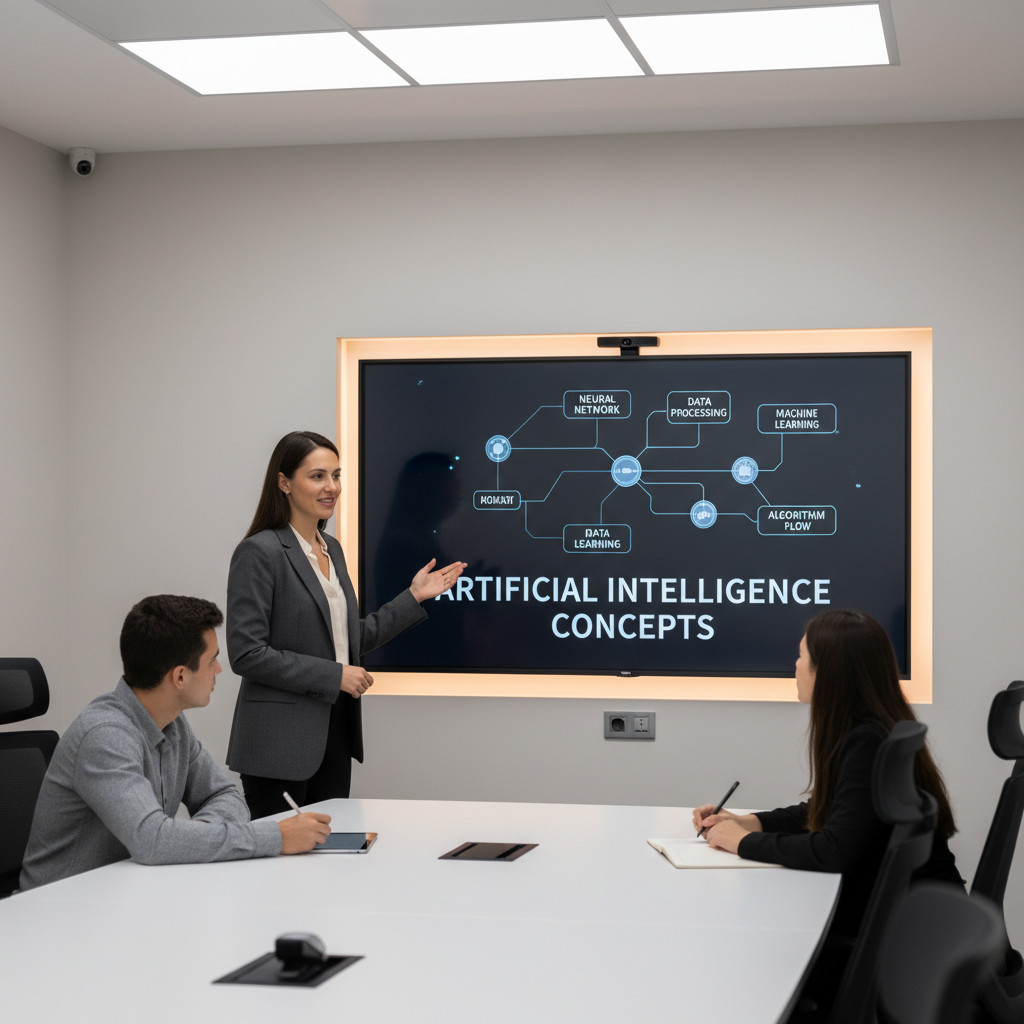
The Role of AI in Early Screening
AI technologies are proficient in analyzing large datasets, enabling them to detect patterns and anomalies that might be missed by traditional testing methods. This capability is crucial for early screening, as it allows for the identification of learning differences at a stage where intervention can be most effective.
For example, AI-driven assessments can evaluate reading habits, attention spans, and problem-solving approaches, offering insights into a student's cognitive processes. Such insights are invaluable in customizing educational strategies that cater to individual learning styles.
Benefits of AI in Identifying Learning Differences
There are several key benefits to using AI in educational testing:
- Accuracy: AI algorithms can assess data with a higher degree of precision, reducing the chances of misdiagnosis.
- Speed: Immediate analysis allows for quicker interventions, helping students receive support without delay.
- Personalization: AI can tailor educational content and teaching methods to suit each student's needs.

Challenges and Considerations
Despite its potential, the implementation of AI in educational testing comes with challenges. Ensuring data privacy is a primary concern, as sensitive student information must be protected. Furthermore, there is a need for continuous updates and training to maintain the accuracy and relevance of AI systems.
Another consideration is the potential for bias in AI algorithms. It is essential to ensure that these systems are trained on diverse datasets to prevent any form of discrimination or prejudice in educational assessments.
Case Studies and Success Stories
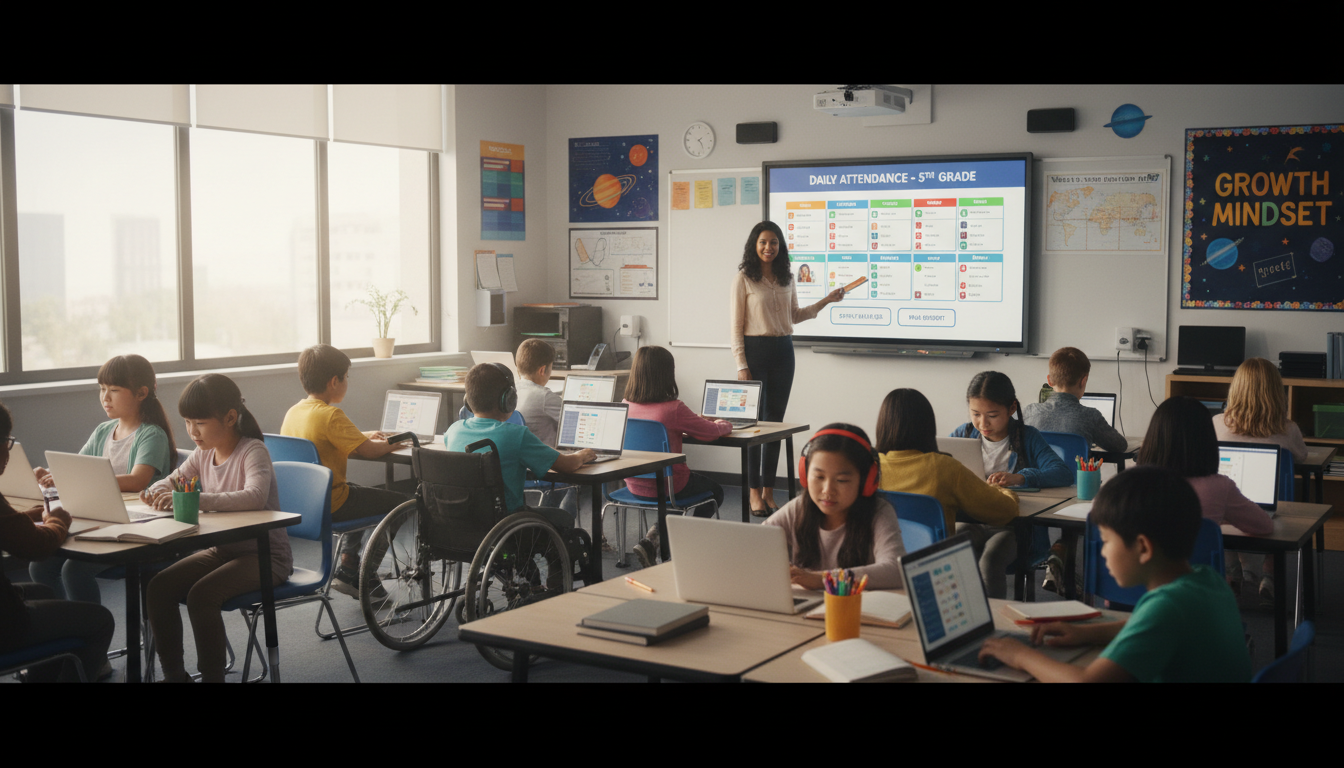
Several educational institutions have already begun integrating AI into their testing processes with remarkable results. For instance, some schools have reported improved test scores and student engagement after implementing AI-driven learning tools. These success stories underscore the potential of AI to revolutionize the educational landscape.
The Future of AI in Education
As AI technology continues to evolve, its role in educational testing is expected to expand. Future developments may include more sophisticated adaptive learning platforms, real-time feedback systems, and even virtual tutors that can provide personalized guidance to each student.
The ongoing research and innovation in this field promise a more inclusive and effective educational system, where every student receives the support they need to thrive.